Fitness Tracker vs Smartwatch vs Chest Strap: Which Should You Wear?
Wearable devices can tell you how many steps you took, how long you slept, how hard you worked during a run and much more. That can be motivating and useful, but the choice of devices is large, and the differences between them are not always obvious from a product photo.
This guide compares three common types of fitness wearables: fitness trackers, smartwatches and chest strap heart rate monitors. It covers what each does well, their limits and what to check on a listing. It is based on research into device designs and manufacturer information, not hands-on testing of specific models. Remember that most consumer wearables are not medical devices; use their data as a guide to your own trends, and talk to a health professional about any health concerns.
Fitness trackers
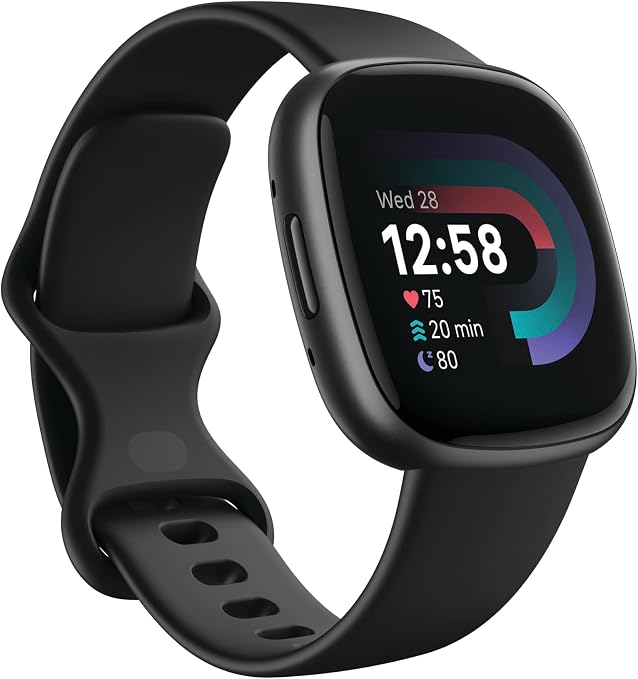
Fitness trackers are usually slim bands worn on the wrist. They focus on everyday activity and health trends.
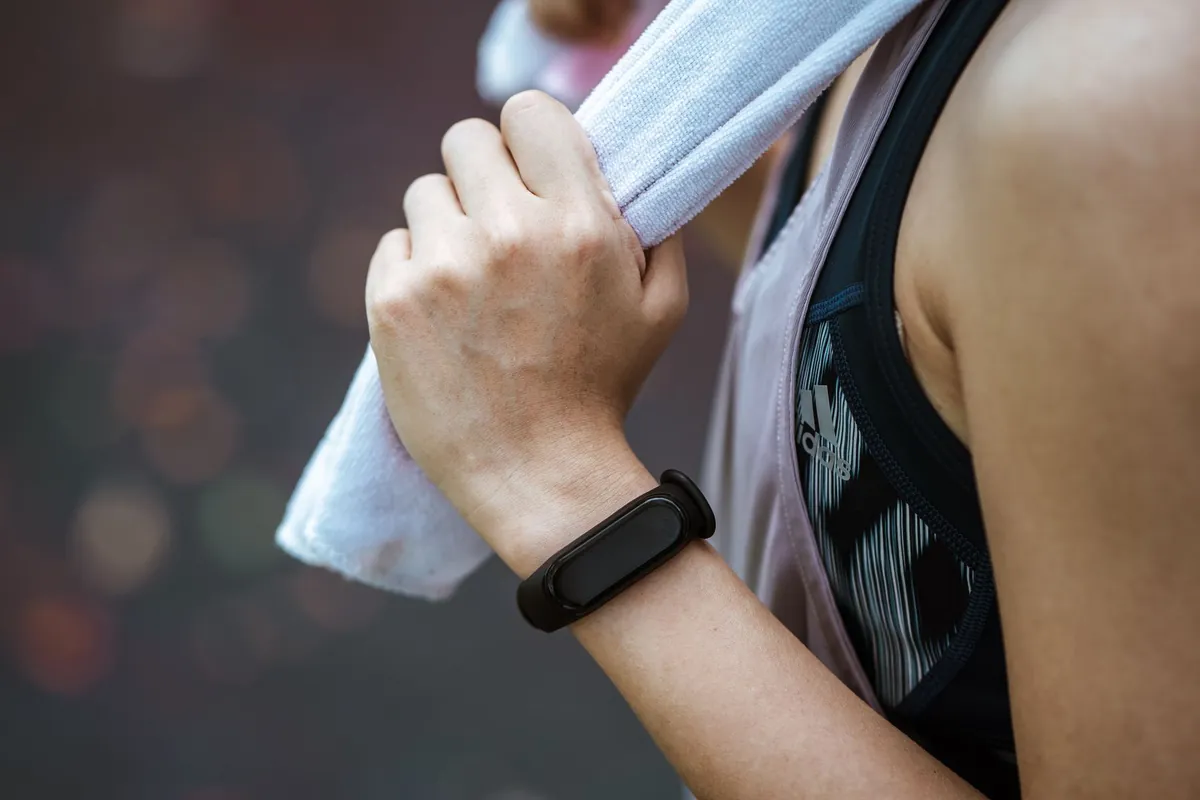
What they typically do
- Count steps and estimate distance and calories.
- Estimate heart rate with an optical sensor on the underside.
- Track sleep duration and patterns.
- Offer reminders to move and simple workout tracking.
- Show basic notifications from your phone.
Strengths
Trackers are often light and comfortable enough to wear all day and night, which makes them good for sleep and activity trends. Many have long battery life compared with smartwatches, and they are often less expensive.
Limits
Small screens mean less information during workouts. Many rely on a connected phone for GPS, so outdoor distance and pace may be less detailed without your phone. Optical heart rate can be less reliable during some activities, such as weight training or interval workouts with fast changes in intensity.
Smartwatches
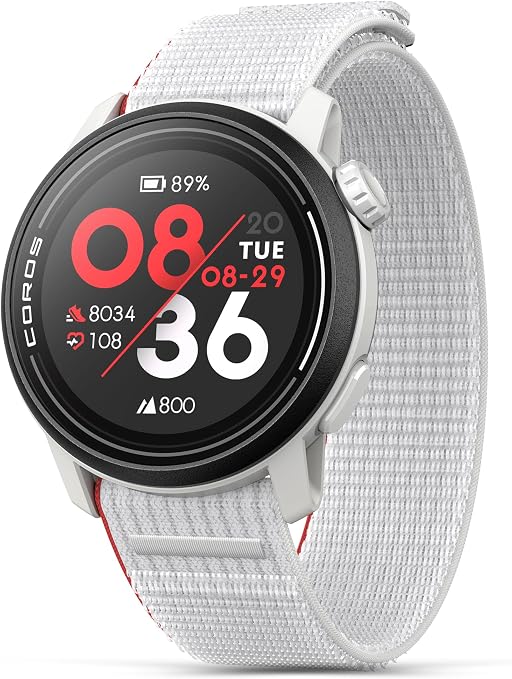
Smartwatches combine fitness tracking with apps, notifications and larger screens. Some are designed mainly for sport, while others are designed mainly as everyday smart devices with fitness features.
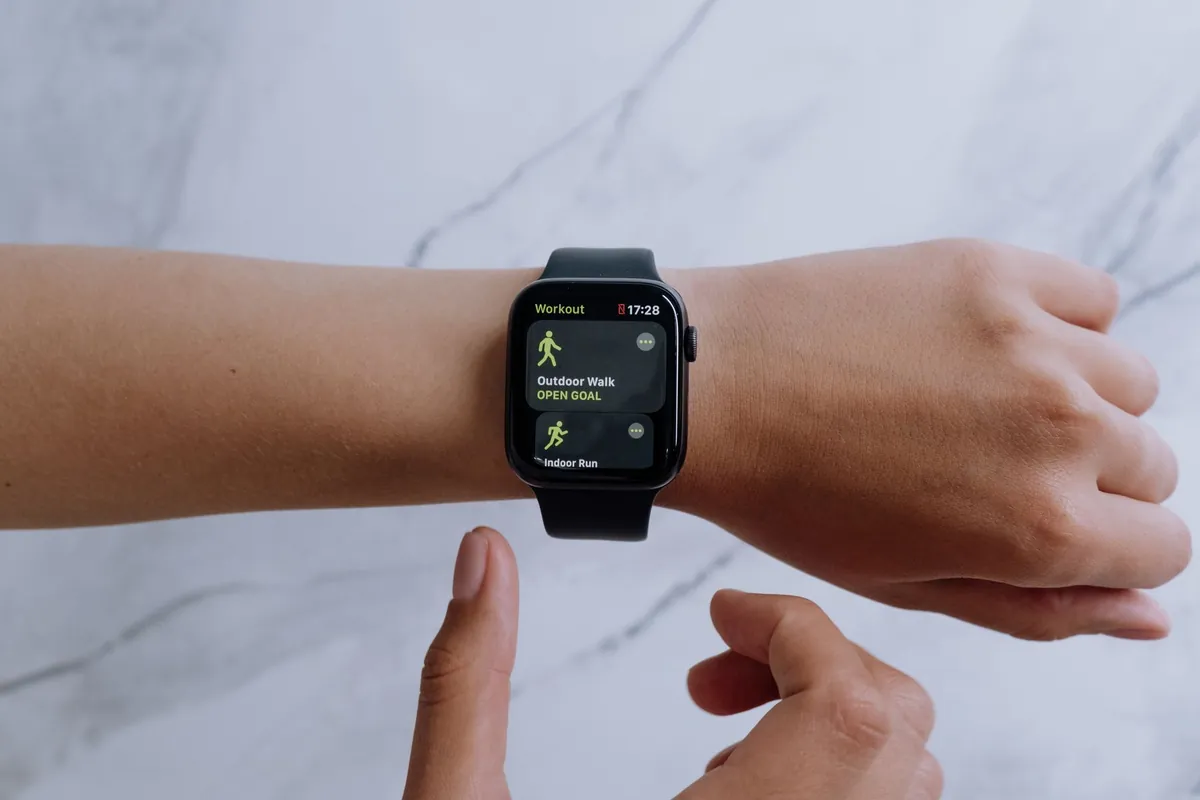
What they typically do
- All the activity, heart rate and sleep tracking of a fitness tracker.
- Built-in GPS for outdoor workouts on many models.
- Larger displays with maps, workout screens and notifications.
- Apps, music storage or streaming, and contactless payments on some models.
- Support for external sensors such as chest straps and bike sensors on many sport-focused models.
Strengths
Smartwatches are versatile and show a lot of information during workouts. Built-in GPS lets you leave your phone at home for runs and rides. Sport-focused watches often offer training features such as structured workouts and recovery estimates.
Limits
Larger screens and more features usually mean shorter battery life, especially with GPS on. They are bulkier and may be less comfortable for sleep. Prices vary widely, and some features may require a subscription. Compatibility with phones also varies; some watches work only with certain phone operating systems.
Chest strap heart rate monitors
A chest strap heart rate monitor is a sensor on an elastic strap worn around the chest. It measures electrical signals from the heart and sends heart rate data to a watch, phone, bike computer or gym equipment.

What they typically do
- Measure heart rate during exercise.
- Connect via Bluetooth and, on many models, ANT+ to other devices and apps.
- Some store data on their own or provide additional running metrics.
Strengths
Chest straps are widely regarded as more accurate for heart rate during exercise than wrist-based optical sensors, especially during activities with quick changes in intensity. Their batteries often last a long time. They are a good addition if you train by heart rate zones.
Limits
A chest strap has no screen and needs another device to show the data. Some people find straps less comfortable, and they are not meant for all-day wear. The strap needs regular washing according to the manufacturer’s instructions.
Arm bands
Optical arm bands, worn on the forearm or upper arm, sit between wrist sensors and chest straps. Some people find them more comfortable than chest straps while still offering better placement for optical sensors than the wrist. If you dislike chest straps, they may be worth comparing.
Questions to ask before you buy
What do you want to measure?
- Steps, sleep and general activity: a fitness tracker may be enough.
- Running and cycling with GPS: a smartwatch with built-in GPS.
- Accurate heart rate for training zones: a chest strap, paired with a watch or app.
Which phone and apps do you use?
Check compatibility carefully. Some devices work best or only with certain phones, and some apps have features that require a paid subscription. If you already use a training app, check whether the device can sync with it.
How long should the battery last?
Battery life depends on how you use the device. GPS, always-on displays and music shorten it. If you dislike charging often, look closely at the manufacturer’s stated battery life for the way you plan to use it.
Where and how will you wear it?
Check water resistance ratings if you swim or train in the rain. Look at band sizes, materials and the weight of the device. If you plan to wear it to sleep, comfort matters a lot.
Privacy and data
Wearables collect personal information about your health and movements. Read the privacy policy of the device and its app, check what data is shared and with whom, and review settings such as location sharing and public activity feeds.
Combining devices
Many people use more than one device: a watch for daily tracking and GPS, and a chest strap for workouts where heart rate accuracy matters. Others use a tracker for sleep and activity, and their phone for occasional runs. Start with your main goal and add devices only if they meet a clear need.
Next steps
Compare fitness trackers, smartwatches and heart rate monitors in our wearables section. For music while you train, see our audio section, and for recording your sessions, see our action cameras. Use the View on Amazon button to see full details on Amazon before you buy.
As an Amazon Associate I earn from qualifying purchases. Fibody has not tested the products mentioned in this guide hands-on; it is based on research into product designs, manufacturer information and published standards.
Browse Wearable
See more: Browse Wearable
 SmartwatchSamsungFibody
 SmartwatchSamsungFibody
 SmartwatchCOROSFibody
 Heart-rate monitorPOLARFibody
 SmartwatchAmazfitFibody
 SmartwatchAppleFibody
 SmartwatchFitbitFibody
 Heart-rate monitorPOLARFibody
Polar H9 Heart Rate Sensor Medium to XX-Large
POLAR · Heart-rate monitor
 SmartwatchFitbitFibody
 SmartwatchGarminFibody
 SmartwatchGarminFibody
 SmartwatchGarminFibody