Low-Impact HIIT

Low-impact HIIT keeps the interval structure of HIIT but always leaves one foot on the floor. It is quieter for neighbours and gentler on knees, hips and feet.
Free · rule-based · runs in your browser
At a glance
- Sessions / week2–3 hardQuiet, joint-friendly
- Session length20–30 minWarm-up and cool-down included
- Intensity4 of 5Hard effort, no jumping
- Key gear
- Thick mat or flooring
- Mini loop bands
- Light dumbbells
A sample week
- MonLow-impact HIITHard
- TueMobilityEasy
- WedStrengthModerate
- ThuLow-impact HIITHard
- FriRestRest
- SatEasy walkEasy
- SunRestRest
Hard Moderate Easy Rest · An example only – the planner fits the week to your days, level and gear.
Who it suits
It suits beginners, people returning after a break, anyone with sensitive joints and people living in flats. You can still work hard – intensity comes from speed and range, not jumping.
How a Fibody plan is built
Sessions use moves such as step jacks, squats to reach, mountain climbers at a controlled pace, shadow boxing and band work. Work and rest times follow your level, and hard days are spaced out with strength or mobility in between, following ACSM guidance on combining intensities.
How to progress
Make it harder by moving faster, sinking deeper or adding a band – not by adding jumps. Week 4 is a lighter deload.
Safety first
A non-slip mat or flooring helps. If a joint is painful rather than just tired, swap the move or stop, and ask a physiotherapist about persistent pain.
Gear for this style
See all in Setup › FlooringYou can start with what you have – the planner only uses equipment you tick.
As an Amazon Associate I earn from qualifying purchases.

 Titan Fitness Half Deadlift Platform, 8FT x 4FT Steel…View on Amazon (opens in a new tab)
 SUPERJARE 0.56” Thick 24 Sq Ft Rubber Top Gym…View on Amazon (opens in a new tab)
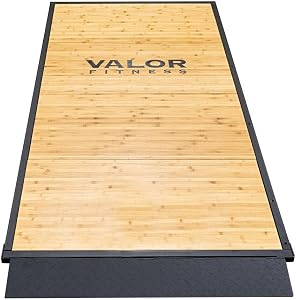 Valor Fitness Weightlifting Deadlift Platform – Bamboo Lined Steel…View on Amazon (opens in a new tab)
 Yes4All EVA Interlocking Foam Mats for Floor Protection Grey…View on Amazon (opens in a new tab)
 Yes4All Heavy Duty 100% High Density Rubber Floor Tiles…View on Amazon (opens in a new tab)
 Yes4All EVA Interlocking Foam Mats for Floor Protection Black…View on Amazon (opens in a new tab)
Matched to the style’s gear category, not to you. We research products from specifications; we do not claim to have tested them. Product links go to Amazon, and Fibody may earn a commission at no extra cost to you.
Sources (3)
This page is general, evidence-based guidance produced by Fibody from the published sources listed above. It is not personal training, physiotherapy or medical advice. If you have a health condition, are pregnant or have been inactive for a long time, check with a doctor before starting. The workout planner asks a short PAR-Q+-style safety check and will not build a plan if a risk answer applies.