One-Rep Max (1RM) Calculator
Estimate your one-rep max (1RM), the heaviest weight you could lift for a single repetition, from a set you have already done. Then use the percentage table to choose training weights without testing a true maximum.
One-Rep Max (1RM) Calculator
Runs in your browser. Nothing is sent or stored unless you choose to save a result to a free account.
This calculator needs JavaScript. The formula and sources are below so you can work it out by hand.
How this is calculated & sources
Epley: 1RM = weight × (1 + reps ÷ 30). Brzycki: 1RM = weight × 36 ÷ (37 − reps). The estimate shown is the average of both. Typical reps at each percentage are derived from the Epley equation.
Formula reviewed against the sources above · Tool version 1.2.3
Please note: Estimates only. Lift with good technique, use safety equipment, and stop if you feel pain. Not a substitute for a qualified coach. Medical disclaimer.
Related in Home › Strength
See allAs an Amazon Associate I earn from qualifying purchases.

 KettlebellYes4AllFibody
 Power rackTitan FitnessFibody
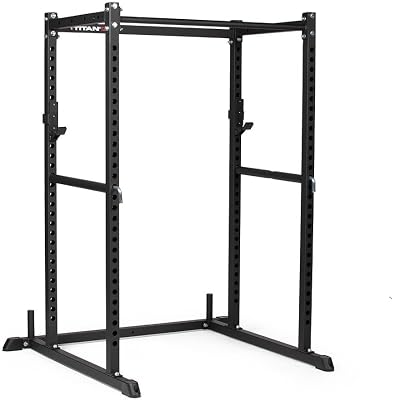 Power rackTitan FitnessFibody
 Weight benchREPFibody
Products are matched to the tool’s topic, not to your results. We research products from specifications; we do not claim to have tested them.
How the estimate works
The calculator uses two of the most common prediction equations. Epley multiplies the weight by 1 + reps ÷ 30. Brzycki multiplies the weight by 36 ÷ (37 − reps). For 100 kg lifted for 5 reps, Epley gives 116.7 kg and Brzycki 112.5 kg; the tool shows both and uses their average as the headline estimate.
The percentage table applies that estimate to common training intensities, from 100% down to 60%, with a typical rep count for each. The rep counts come from the Epley equation itself, so they are a guide; fatigue, sleep and technique all change what you can do on the day.
Getting a better estimate
Use a set taken close to failure with good form, ideally 3–8 reps. In a study of trained lifters published in the Journal of Strength and Conditioning Research, LeSuer and colleagues found that prediction equations tracked tested 1RM closely for the bench press and squat, but all of them underestimated the deadlift. Accuracy also falls as reps rise, which is why the tool accepts up to 12 reps and warns above 10.
Training safely at home
Heavy sets at home need the right setup: a rack with safety arms or a spotter for squats and presses, collars on the bar, and flooring that protects both you and the floor. If you train with adjustable dumbbells, remember that the estimate is per hand and that heavy single-arm work is limited by grip and stability as much as strength.
Limitations
Equations are averages and can be off by several kilograms for an individual, especially for lifts and rep ranges that were not studied. They are not suitable for beginners still learning technique.
Frequently asked questions
How accurate are one-rep max calculators?
LeSuer and colleagues (1997) found prediction equations correlated strongly with tested 1RM in bench press and squat, but all of them underestimated the deadlift. Accuracy is best with sets of 10 reps or fewer.
Epley or Brzycki – which should I use?
They give similar results at low reps and drift apart as reps rise. We show both and their average, so you can see the spread.
Is it safe to test a true 1RM at home?
Maximal lifts need good technique, a spotter or safety arms, and suitable flooring. Many people train well from an estimated 1RM without ever testing it.