 Home Workout Planner
The Fibody home workout planner turns a few answers – your training style, goal, days, minutes, level and equipment – into a four-week plan with exercises, sets, reps, effort, rest, heart-rate zones and a lighter fourth week. It is rule-based, not AI: the same answers always give the same plan, and every rule comes from a published guideline linked below. It runs entirely in your browser; nothing you enter is sent or stored, and no cookies are used.
Home Workout Planner
Runs in your browser. Your answers are not sent or stored; only plan settings you choose to save go to your account.
Evidence-based general guidance generated by Fibody’s planner from published guidelines – not personal training or medical advice, and not written for you by a coach.
The planner needs JavaScript. The rules it follows and its sources are listed below.
As an Amazon Associate I earn from qualifying purchases.

 Adjustable dumbbellssnodeFibody
Snode AD80 Drop-proof Cast Iron Adjustable Dumbbells 80LBs Black AD80 Pair
snode · Adjustable dumbbells
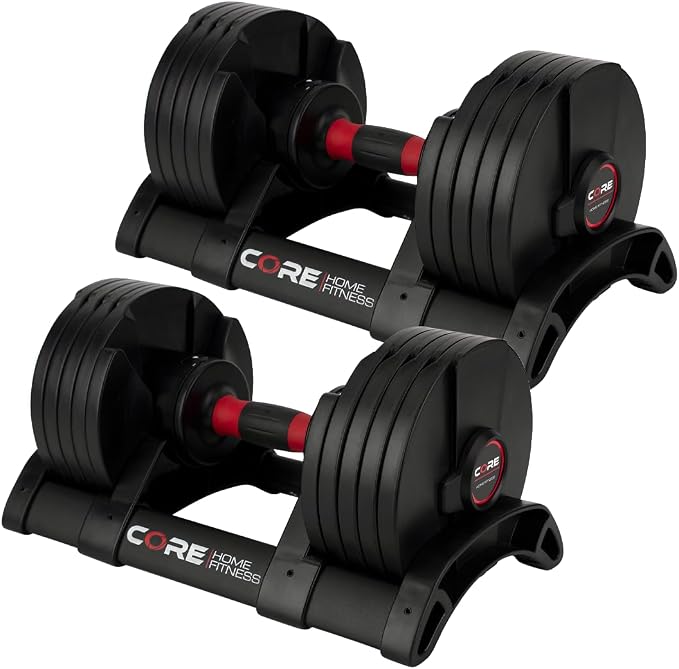
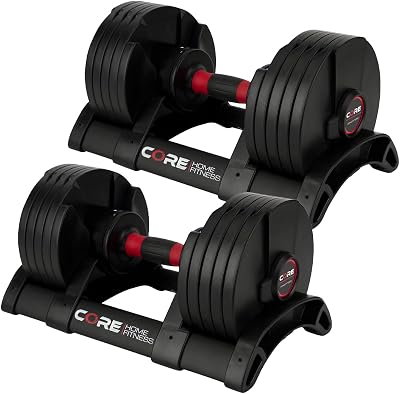 Adjustable dumbbellsCORE FITNESSFibody
Core Fitness® Adjustable Dumbbell Weight Set by Affordable Dumbbells Red
CORE FITNESS · Adjustable dumbbells
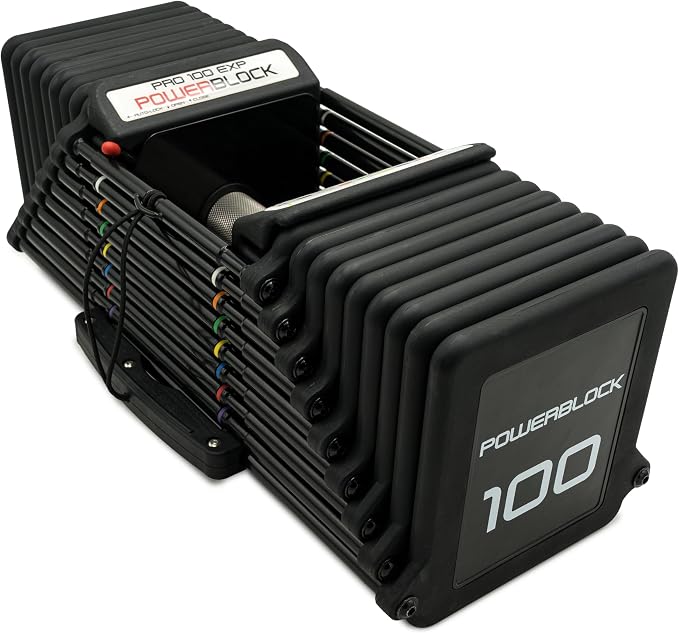
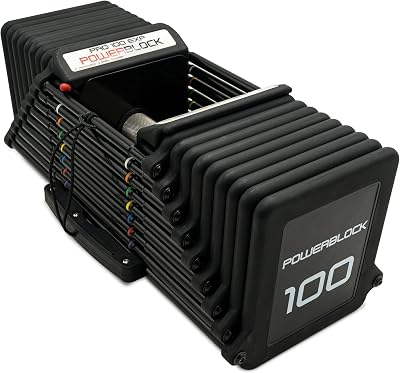 Adjustable dumbbellsPOWERBLOCKFibody
PowerBlock Pro 100 EXP Single Adjustable Dumbbell, 5-100 lb
POWERBLOCK · Adjustable dumbbells
 DumbbellsBowflexFibody
BowFlex Results Series SelectTech Dumbbells 552 Pair Black
Bowflex · Dumbbells
 Adjustable dumbbellsPOWERBLOCKFibody
PowerBlock Elite EXP 90 Adjustable Dumbbells, Stage 1, Set of 2, 5 lb-50 lb
POWERBLOCK · Adjustable dumbbells


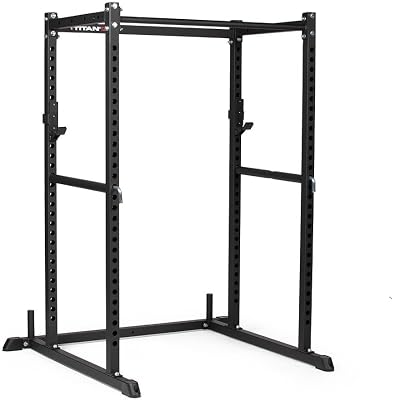


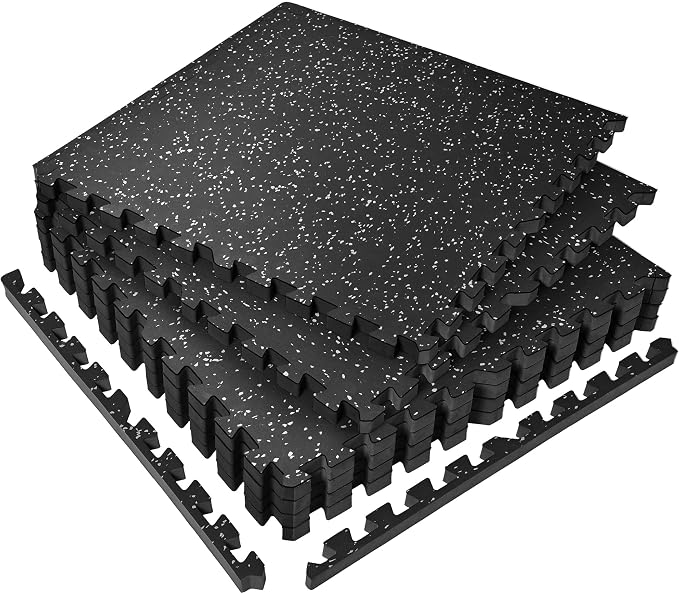
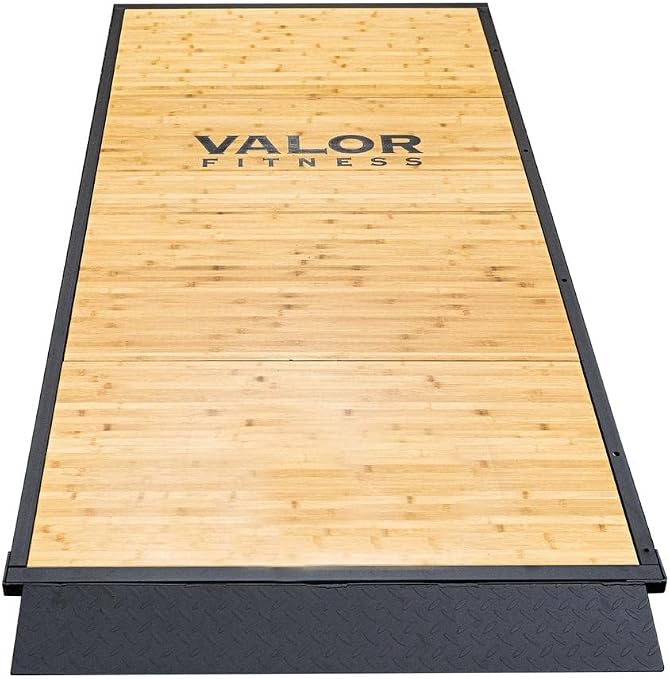
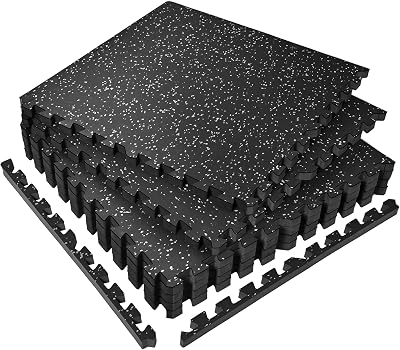
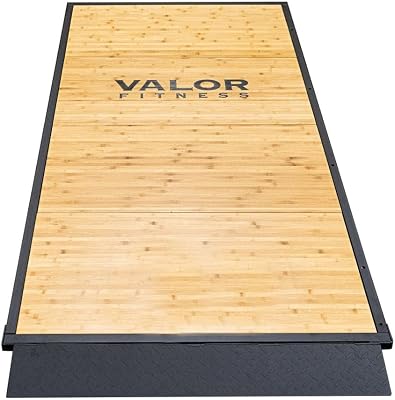
 Rubber floor tilesTitan FitnessFibody
Titan Fitness Half Deadlift Platform, 8FT x 4FT Steel Frame with 4 Rubber Tiles
Titan Fitness · Rubber floor tiles




 Heart-rate monitorPOLARFibody
Polar H9 Heart Rate Sensor Medium to XX-Large
POLAR · Heart-rate monitor
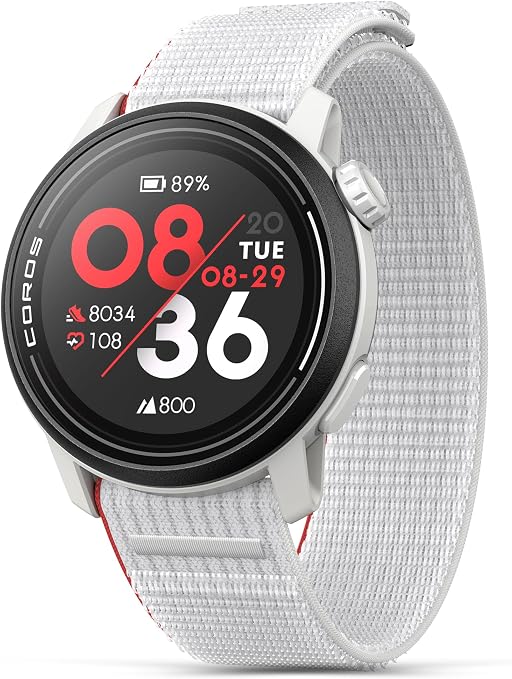
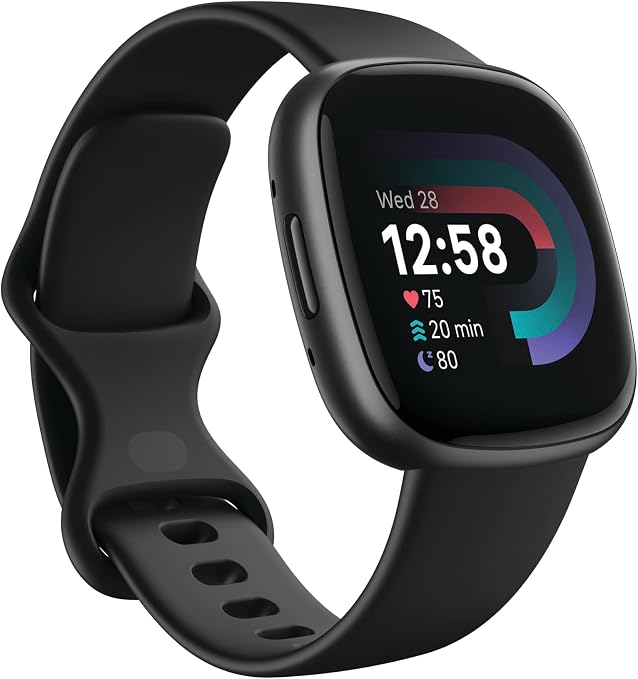
 SmartwatchAppleFibody
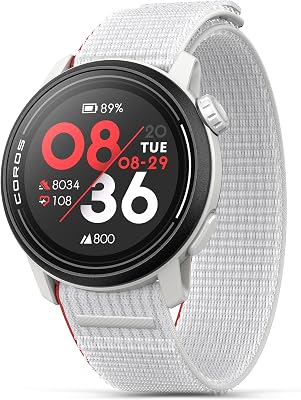

 SmartwatchAppleFibody

 SmartwatchAppleFibody

 SmartwatchAppleFibody


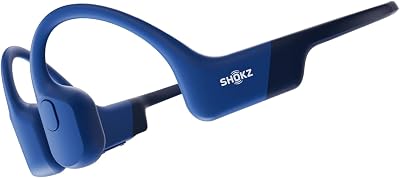
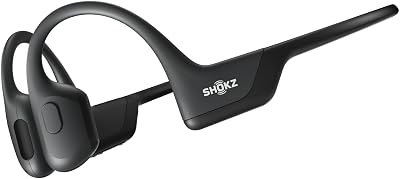


 Action cameraDJIFibody
DJI Osmo Action 5 Pro Standard Combo, Waterproof Action Camera
DJI · Action camera


 CampingCamelBakFibody
CamelBak Crux Water Reservoir Hydration Bladder 100 oz
CamelBak · Camping




 Massage gunTheraGunFibody
TheraGun Therabody PRO Plus 6-in-1 Deep Tissue Massage Gun | Black
TheraGun · Massage gun

 Massage gunBOB AND BRADFibody
BOB AND BRAD Q2 Mini Massage Gun Portable Percussion Massager, Pocket-Sized Red (Upgraded)
BOB AND BRAD · Massage gun


How this is calculated & sources
Rule-based, not AI. Resistance volume follows ACSM and dose-response research (about 10–20 hard sets per muscle a week for muscle size; 1–6 reps at 80–90 % 1RM for strength) with effort set by reps in reserve. Endurance plans keep most time easy (polarised distribution) and raise weekly time by no more than 10 % (a cautious cap – trials show the 10 % rule alone does not prevent injury). Hard days are never placed back to back; week 4 is a deload. A PAR-Q+-style check stops the planner and suggests seeing a professional when a risk answer is ticked.
- ACSM (2026), Position stand: resistance training prescription – an overview of reviews, Med Sci Sports Exerc
- ACSM (2009), Position stand: progression models in resistance training for healthy adults
- Garber et al. (2011), ACSM position stand – quantity and quality of exercise
- Schoenfeld et al. (2017), Dose-response of weekly sets and muscle growth, J Sports Sci
- Helms et al. (2016), RPE based on repetitions in reserve, Strength Cond J
- Bell et al. (2023), Deloading practices in strength and physique sports – Delphi consensus
- NSCA – Position statements
- Seiler (2010), What is best practice for training intensity distribution in endurance athletes?
- Buist et al. (2008), GRONORUN trial: graded running programme vs standard (10% rule not protective)
- Nielsen et al. (2014), Training errors and running-related injuries, JOSPT
- WHO – Physical activity fact sheet
- PAR-Q+ and ePARmed-X+ (pre-participation screening)
- ACOG Committee Opinion 804 – Physical activity and exercise during pregnancy and the postpartum period
Formula reviewed against the sources above · Tool version 1.2.3
Please note: This plan is evidence-based general guidance generated by Fibody’s planner from published guidelines. It is not personal training, physiotherapy or medical advice, and no coach or clinician has reviewed it for you. Warm up, use good technique, stop if you feel pain, dizziness or chest discomfort, and check with a doctor before starting if you have a health condition, are pregnant or have been inactive for a long time. Medical disclaimer.
How the planner works
First, a short PAR-Q+-style safety check. If you tick a risk answer – for example chest pain during activity or a doctor telling you to exercise only under supervision – the planner stops and suggests talking to a health professional instead of showing a plan or any gear. Pregnancy gets its own gentle guidance based on ACOG advice.
Next, it applies fixed rules for your style. Resistance plans follow ACSM guidance and dose-response research: roughly 10–20 hard sets per muscle each week for muscle size, and 1–6 reps at about 80–90% of your one-rep max for strength, with effort set by reps in reserve. Endurance plans keep most time easy and raise weekly time by no more than about 10%. Hard days are never placed back to back, and week 4 is a deload with less volume. Every exercise and every swap comes only from the equipment you tick; with nothing ticked you get a bodyweight plan.
You can add a second style – for example strength with mobility, or running with yoga – and the planner places it on the easier days. Tick Low impact to remove jumping and other high-impact moves (HIIT becomes low-impact HIIT).
Training styles
Bodybuilding
Muscle size with full-body, upper/lower or push/pull/legs splits. Start a bodybuilding plan.
Strength
Squat, hinge, press and row at a percentage of your one-rep max – carry it over from the one-rep max calculator. Start a strength plan.
Calisthenics
Bodyweight skill ladders for push-ups, pull-ups, dips, squats and core. Start a calisthenics plan.
Running
Run-walk to 5K or 10K, mostly easy, with zones from the heart-rate zone calculator. Start a running plan.
Cycling
Indoor or outdoor: zone 2 rides plus sweet-spot or interval work. Start a cycling plan.
Hiking
Step-ups, carries, ankle and balance work and a gradual pack build-up. Start a hiking plan.
Adventure
Conditioning for climbing, snow sports, surfing or trail – fitness, not sport instruction. Start an adventure plan.
HIIT at home
Short, hard circuits with easier days in between. Start a HIIT plan.
Low-impact HIIT
Intervals with no jumping – quieter and joint-friendly. Start a low-impact HIIT plan.
Yoga
Hatha, Vinyasa or Yin sessions matched to your level. Start a yoga plan.
Pilates
Mat Pilates with an optional ring, band or ball. Start a Pilates plan.
Yoga and mobility
Gentle range-of-motion work, stretching and foam rolling for recovery. Start a mobility plan.
Meditation and breathwork
Five- to twenty-minute breathing and attention sessions for stress or sleep, with the breathing timer. Start a breathwork plan.
Gear suggestions
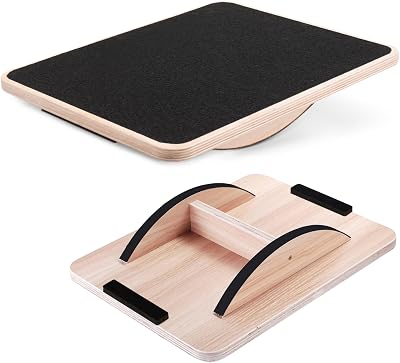
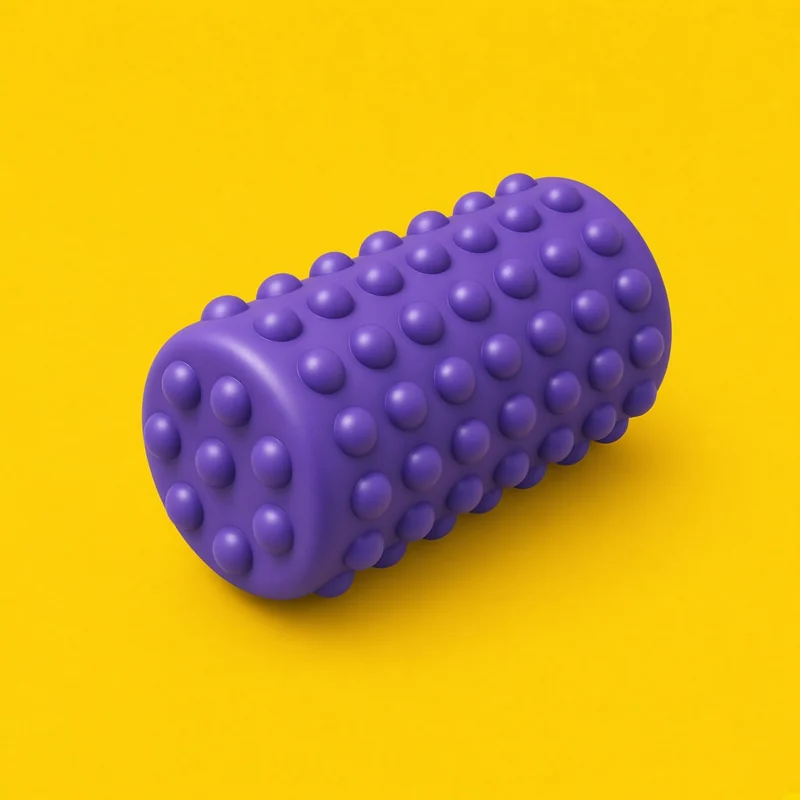
Under the plan you may see three or four items for each piece of equipment that would help, filtered by the space you have. They come from Fibody’s existing shop categories and link to Amazon with a “View on Amazon” button. Fibody may earn a commission at no extra cost to you. We do not show prices or ratings, and we have not tested these products ourselves – they are simply in the categories that match your plan. You never need to buy anything to follow it.
Print and share
Use Print plan for a clean, ink-friendly copy of your plan. Copy share link creates a link that contains only the options you chose, never your safety answers.
Important
This plan is general guidance generated by Fibody’s planner from published guidelines. No coach or clinician has reviewed it for you. Warm up, use good technique and stop if you feel pain, dizziness or chest discomfort.
Frequently asked questions
Who writes the plans?
Nobody writes your plan by hand. Fibody’s planner applies fixed rules taken from published guidelines (ACSM, NSCA, WHO and peer-reviewed research, all linked on the page) to the answers you give. It is general guidance, not personal coaching.
Will it use equipment I do not have?
No. Every exercise and every swap is chosen only from the equipment you tick. With nothing ticked you get a bodyweight plan.
Why does week 4 get easier?
Week 4 is a planned deload with less volume and effort. Coaches commonly use deloads to manage fatigue before the next block.
Is my data saved?
No. The plan is built in your browser. The planner never sends or saves your answers and uses no cookies. If you took Fibody’s style quiz, the planner can read the style and low-impact preference that the quiz saved on your device to prefill the form. A share link only contains the options you chose, never the safety answers.